
Introduction
The pipe bending machine is a vital equipment in various industries, providing precision, efficiency, and flexibility. It plays a crucial role in bending pipes of different sizes and materials, making it a highly versatile tool. This article delves into the intricacies of the pipe bending machine, providing a comprehensive understanding of its working principle, types, applications, and safety measures to be considered while operating.
The Working Principle of a Pipe Bending Machine
At the heart of a pipe bending machine is its mechanical structure and working process. The machine typically consists of a clamping device, a pressure die, a winding device, and a core die, all of which play distinctive roles in the bending process. The pipe is clamped into place, then the winding device pushes against the pipe, forcing it to bend around the core die. The pressure die ensures the pipe maintains its shape during the bending process, ensuring precision and consistency.
Types of Pipe Bending Machines
There are various types of pipe bending machines, each designed to suit different materials, volumes, and complexities of work.
1. Manual Pipe Bending Machines
These machines require human effort to bend pipes, making them suitable for small-scale or occasional use.
2. Hydraulic Pipe Benders
Hydraulic power drives these machines, ensuring precision and efficiency for bending pipes of various sizes and materials.
3. Electric Pipe Benders
Electric motors power these machines, offering automation and suitability for repetitive bending tasks, enhancing productivity.
4. CNC Pipe Bending Machines
These machines enable automated and precise bending through programmed instructions, making them ideal for complex and high-volume production.
5. Roll Benders
Roll benders use three adjustable rolls to gradually bend pipes, making them suitable for achieving consistent curves and shapes.
6. Mandrel Benders
Mandrel benders maintain the pipe’s internal integrity during bending, preventing deformities, making them suitable for critical applications such as exhaust systems.
7. Pneumatic Pipe Benders
Powered by compressed air, these machines offer versatility and ease of use, suitable for various materials and pipe sizes.

Applications of Pipe Bending Machines
Pipe bending machines find applications in various industries owing to their versatility and precision.
1. Construction Sector
These machines are utilized in construction projects for bending pipes used in plumbing, HVAC systems, and structural frameworks, providing flexibility in design.
2. Aerospace Engineering
In the aerospace industry, pipe bending machines are employed to shape tubing for aircraft components, ensuring lightweight and durable structures.
3. Energy Sector
Pipelines and tubing in the energy sector, such as oil and gas, rely on pipe bending machines to create the necessary configurations for transport and distribution.
4. Furniture Manufacturing
The furniture industry utilizes these machines to bend tubing for various designs, enhancing the aesthetics and functionality of furniture pieces.
5. Automotive Industry
Pipe bending machines play a crucial role in manufacturing exhaust systems and other tubing components for vehicles, ensuring precision and efficiency.
Safety Measures in Operating a Pipe Bending Machine
Operating a pipe bending machine requires strict adherence to certain safety measures, detailed below:
- Ensure operators are adequately trained in the use of the machine, including understanding controls and safety features.
- Operators should wear appropriate personal protective equipment (PPE), such as gloves and safety glasses, to prevent injuries during the bending process.
- Regularly inspect the machine for any signs of wear, damage, or malfunction before operation to ensure its proper functioning.
- Properly secure the workpiece in the machine to prevent it from dislodging or causing accidents during bending.
- Adhere to manufacturer’s guidelines and recommended procedures for the specific pipe material and size to prevent damage to the machine or potential hazards.
- Familiarize operators with the emergency stop mechanism and ensure it is easily accessible in case of any unforeseen issues.
- Ensure proper ventilation in the workspace, especially when bending materials that may release fumes, to protect operators from respiratory hazards.
- Keep electrical components dry, and use the machine in accordance with electrical safety standards to prevent electric shocks.
- Dispose of waste material properly, and avoid leaving scraps around the machine to prevent tripping hazards.
- Conduct routine maintenance to keep the machine in optimal condition, reducing the risk of malfunctions during operation.

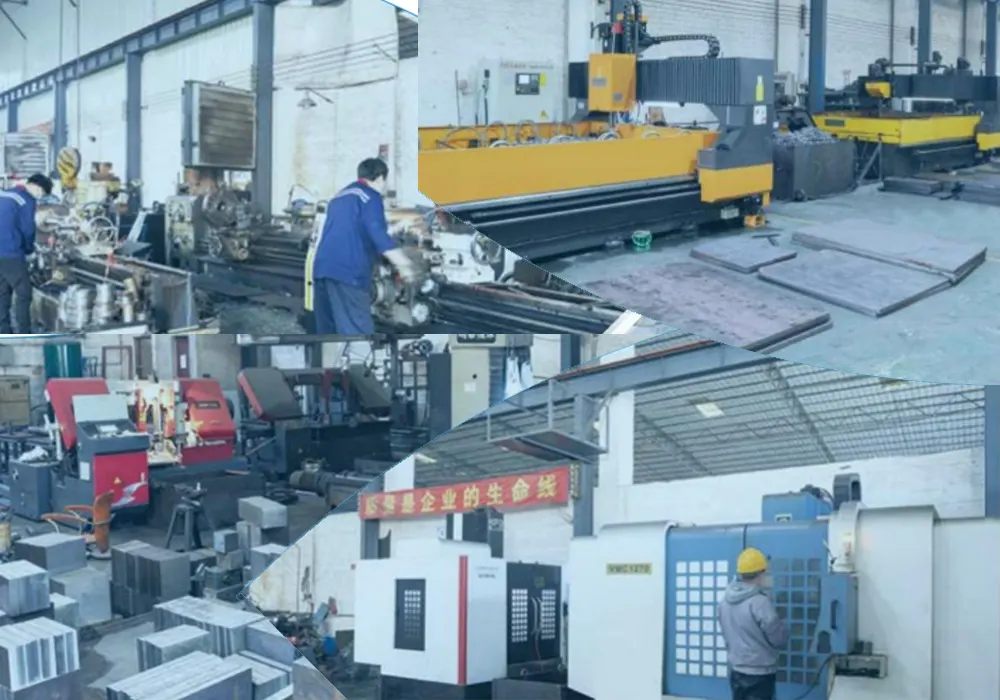
Why Choose Our Pipe Bending Machines
At our company, we provide high-quality pipe bending equipment. We dedicate ourselves to both the research and development and manufacturing processes. Our extensive background in product design enables us to customize solutions that precisely meet the unique needs of our customers. Our professional experience and technical expertise ensure that our machines function smoothly and require minimal maintenance. We prioritize quality control and offer a variety of specifications using standard materials to guarantee consistent stability and reliable performance. Our focus on efficiency not only saves time but also reduces costs. We offer a wide range of styles and services, and our commitment to excellence is unwavering across all our offerings.

Frequently Asked Questions
1. What safety measures should be considered when operating a pipe bending machine?
Operators should be adequately trained, wear appropriate PPE, regularly inspect the machine, secure the workpiece properly, follow manufacturer’s guidelines, have easy access to the emergency stop mechanism, ensure proper ventilation, adhere to electrical safety standards, handle waste material properly, and conduct regular maintenance.
2. What are the different types of pipe bending machines?
There are several types, including manual, hydraulic, electric, CNC, roll, mandrel, and pneumatic pipe bending machines, each suited to different needs.
3. Where are pipe bending machines used?
Pipe bending machines find applications in the construction sector, aerospace engineering, energy sector, furniture manufacturing, and the automotive industry.