
Introduction: What is a Pipe Bending Machine?
A pipe bending machine is a vital piece of equipment in several industries that involve pipe and tubing fabrication. It is designed to bend pipes or tubes into specific shapes and angles, allowing for greater versatility in pipeline construction and tubing applications. This article will delve into the working principles of a pipe bending machine, its various classifications, applications, safety precautions, and the ways it boosts production efficiency.
Working Principle of a Pipe Bending Machine
The working principle of a pipe bending machine revolves around deforming a metal pipe or tube along an axis, wrapping it around a die of a predetermined shape, and creating a desired bend. It involves two primary parts: the bending device and the clamping device. The clamping device holds the tube in place, while the bending device forces the pipe or tube to conform to the shape of the die.
Categories of Pipe Bending Machines
Manual Pipe Bending Machines
These are ideal for small-scale or occasional use and require human effort for operation.
Hydraulic Pipe Benders
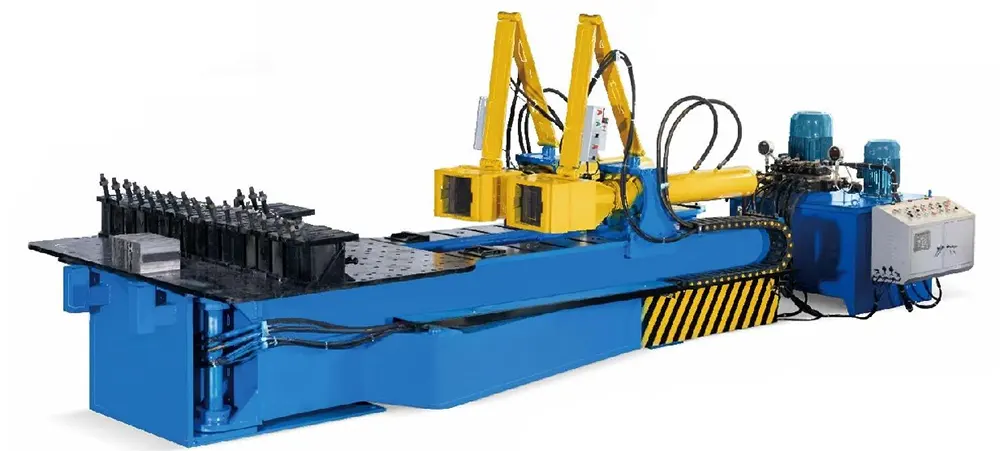
Utilizing hydraulic power, these machines ensure precision and efficiency for bending pipes of varying sizes and materials.
Electric Pipe Benders
Driven by electric motors, they are suitable for repetitive bending tasks, enhancing productivity through automation.
CNC Pipe Bending Machines
These machines enable automated and precise bending through programmed instructions, making them ideal for complex and high-volume production.
Roll Benders
These machines use three adjustable rolls to gradually bend pipes, making them ideal for achieving consistent curves and shapes.
Mandrel Benders
Mandrel benders maintain the pipe’s internal integrity during bending, preventing deformities, making them suitable for critical applications like exhaust systems.
Pneumatic Pipe Benders
Powered by compressed air, these machines offer versatility and ease of use, suitable for various materials and pipe sizes.

Applications of Pipe Bending Machines
Construction Sector
These machines are used in construction projects for bending pipes used in plumbing, HVAC systems, and structural frameworks, providing flexibility in design.
Aerospace Engineering
In the aerospace industry, pipe bending machines are used to shape tubing for aircraft components, ensuring lightweight and durable structures.
Energy Sector
Pipelines and tubing in the energy sector, such as oil and gas, rely on pipe bending machines to create the necessary configurations for transport and distribution.
Furniture Manufacturing
The furniture industry uses these machines to bend tubing for various designs, enhancing the aesthetics and functionality of furniture pieces.
Automotive Industry
Automotive manufacturers depend on pipe bending machines for manufacturing exhaust systems and other tubing components, ensuring precision and efficiency.
Safety Precautions When Using a Pipe Bending Machine
While pipe bending machines greatly enhance productivity and versatility in various industries, it is important to observe several safety measures when operating these machines. These include adequate training for operators, use of personal protective equipment (PPE), regular machine inspection, adherence to manufacturer’s guidelines, understanding of the emergency stop mechanism, and regular machine maintenance.
Our Company’s Pipe Bending Machines
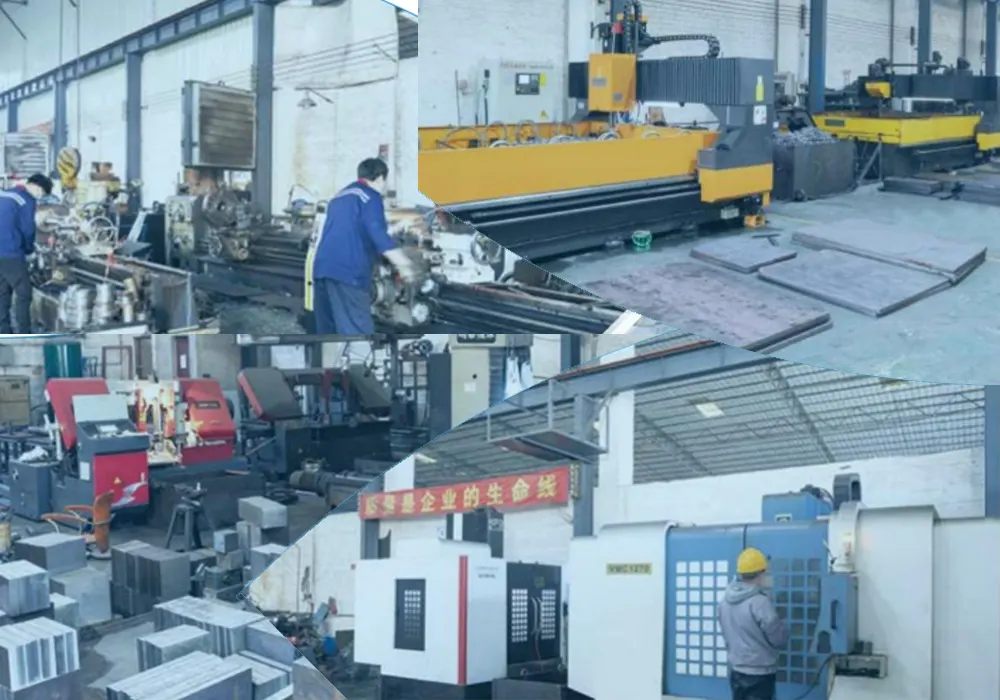
At our company, we take pride in creating high-quality pipe bending machines, with an emphasis on research, development, and manufacturing. Our equipment not only functions smoothly but also requires minimal maintenance. We offer a wide range of styles, and our commitment to excellence is unwavering across all our offerings. We encourage you to explore our products and contact us for any inquiries.

Frequently Asked Questions
1. How does a pipe bending machine work?
The machine works by deforming a metal pipe or tube along an axis, wrapping it around a die to create a desired bend. It involves two primary parts: the bending device and the clamping device.
2. What are the different types of pipe bending machines?
There are several types of pipe bending machines, including manual, hydraulic, electric, CNC, roll, mandrel, and pneumatic pipe benders.
3. How does a pipe bending machine improve production efficiency?
A pipe bending machine enhances production efficiency by automating the bending process, ensuring precision, and reducing the time required for manual bending. It also allows for the creation of complex shapes and high-volume production.